
Infrasturcture Partner
Your Strategic Marine Infrasturcture Partner

5 Types of Marine Fuel Oil Used Onboard Ships - What You Need to Know
When someone says “bunker fuel”, do you know exactly what fuel they are talking about?
For someone outside the marine industry, fuel is simply fuel. But onboard a vessel, it is a little more complicated.
Different vessels may use different grades of marine fuel depending on the engine, vessel operation, fuel system, sulphur requirements and trading area.
And with today’s environmental regulations, understanding the difference has become even more important.
So, let’s take a simple look at five common types of marine fuel oil you may come across in the shipping industry.
1. HFO - Heavy Fuel Oil
Let's start with the heavy one.
Heavy Fuel Oil (HFO) is a residual fuel that has traditionally been widely used by large ocean going vessels, particularly for main engines and boilers.
Because it is very viscous, HFO normally needs to be heated and properly conditioned before it can be used by the engine.
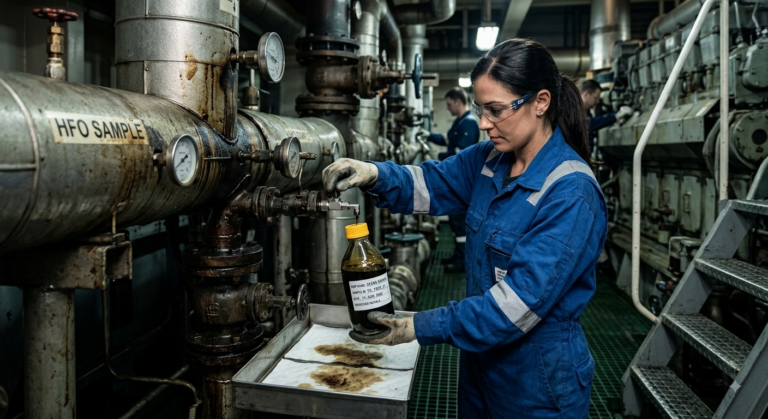
For vessels using high sulphur fuel oil, compliance with applicable sulphur requirements is essential. Ships may use an exhaust gas cleaning system, commonly known as a scrubber, as an alternative means of meeting sulphur oxide requirements.
Common applications include:
- Large marine main engines
- Auxiliary boilers
- Large ocean-going vessels
The important thing to remember is that HFO cannot simply be treated like ordinary diesel fuel. Its handling, heating, purification and storage requirements are different.
2. VLSFO - Very Low Sulphur Fuel Oil
VLSFO became much more familiar across the shipping industry following the implementation of the IMO global sulphur limit.
The global sulphur limit for fuel oil used onboard ships outside designated emission control areas is 0.50% m/m, while the limit is 0.10% m/m within applicable SOx emission control areas.
This is where Very Low Sulphur Fuel Oil (VLSFO) comes in.

VLSFO is generally a lower-sulphur residual/blended marine fuel designed to meet the applicable sulphur limit.
For many commercial vessels, it has become a common bunker fuel.
But there is something important to remember:
Not every VLSFO behaves exactly the same.
Different bunker fuels can have different characteristics, so proper fuel management, compatibility checks and onboard handling remain important.
3. MGO - Marine Gas Oil
Now let’s move to a lighter fuel.
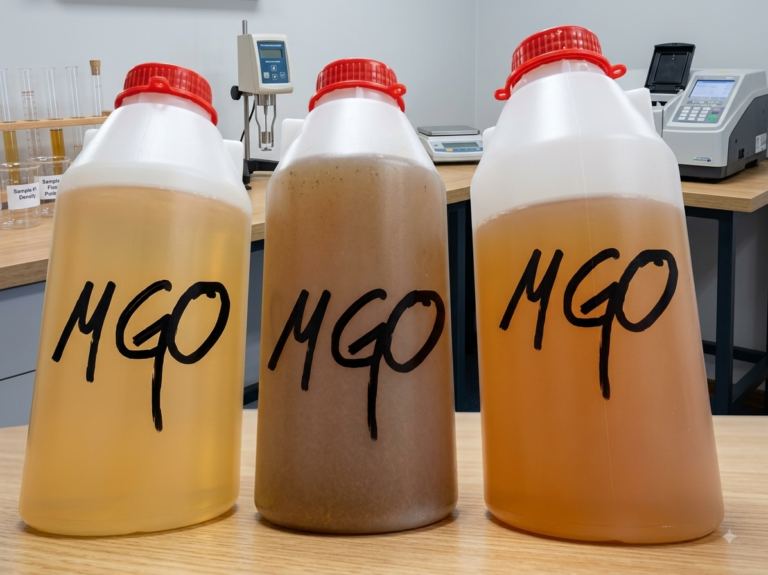
You may find MGO being used for:
- Auxiliary engines
- Smaller marine engines
- Harbour operations
- Fuel changeover operations
- Operations requiring low-sulphur distillate fuel
MGO can also be supplied in low-sulphur grades. The IMO’s fuel terminology includes both MGO and LSMGO as recognised marine fuel types.
Compared with heavy residual fuels, MGO is easier to handle because it does not require the same level of heating and treatment.
However, the engine manufacturer’s requirements and the vessel’s fuel procedures should always come first.
4. MDO - Marine Diesel Oil
You may also hear the term MDO, or Marine Diesel Oil.
MDO is a marine distillate/blended fuel category used in various marine applications. Depending on the specific product and supplier specification, its properties can differ.
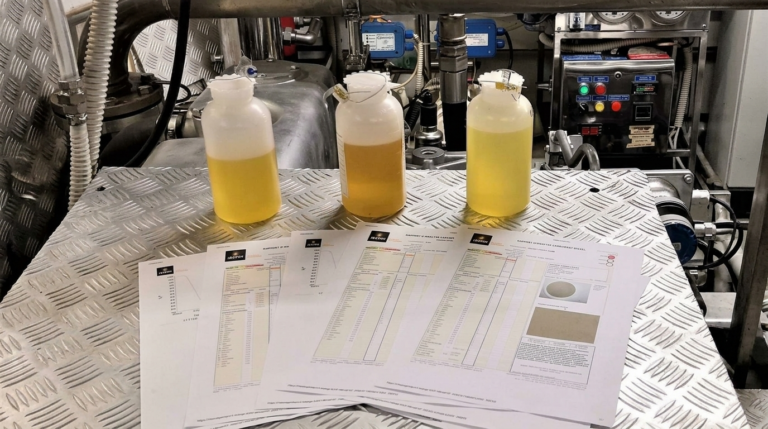
It can be used in:
- Marine diesel engines
- Auxiliary engines
- Generators
- Smaller vessels
- Certain machinery requiring a suitable distillate marine fuel
This is why simply asking for “diesel” is not always enough when arranging marine fuel.
The vessel’s crew, technical department or superintendent should confirm the required fuel grade and specification before bunkering.
5. Low-Sulphur Marine Fuels
The final point is not really one single fuel product.
It is better to think of low-sulphur marine fuels as a category.
This can include low-sulphur fuel oil and low-sulphur distillate fuels such as LSMGO (Low-Sulphur Marine Gas Oil).
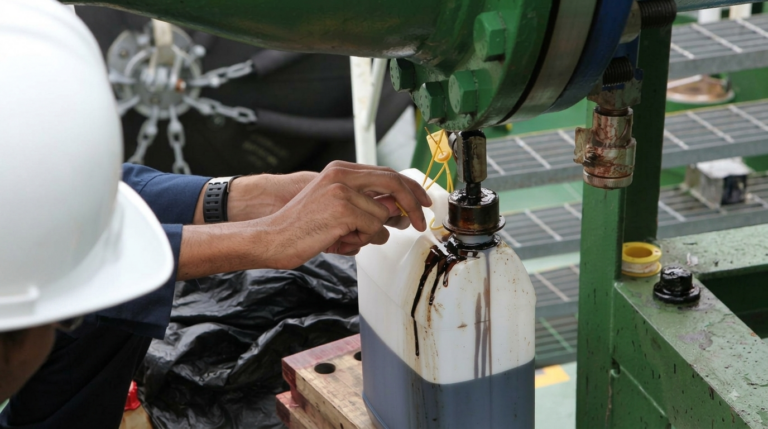
Why does sulphur matter?
Because ships are subject to sulphur limits under MARPOL Annex VI. Since 1 January 2020, the global sulphur limit for fuel oil used onboard ships outside designated emission control areas has been 0.50% m/m, while applicable ECAs have a stricter 0.10% m/m limit.
So when planning a bunker supply, the question is not only:
“How much fuel do we need?”
It should also be:
“Which fuel grade does the vessel require for this operation?”
So, Which Marine Fuel Does a Vessel Need?
This is where things become important.
The correct fuel depends on several factors:
Vessel → Engine → Fuel System → Trading Area → Sulphur Requirement → Fuel Specification
Before arranging a bunker supply, the vessel should confirm the required fuel grade, quantity, specification and delivery requirements.
Fuel quality also matters. ISO 8217 specifies requirements for marine fuels used in marine diesel engines and boilers, while IMO guidance highlights the importance of fuel quality for both regulatory compliance and safe, efficient ship operation.
Fuel Is More Than Just “Fuel”
For vessel operators, choosing the right marine fuel is part of keeping the vessel operating safely, efficiently and in compliance with applicable requirements.
Whether the vessel requires a residual fuel or a distillate fuel, proper planning before bunkering can help avoid unnecessary problems during operation.
And when you’re planning a vessel call, having the required fuel available at the right time matters just as much.
Need Fuel Bunker Supply at Petlog Yard?
Planning a vessel call and need fuel bunker supply at Petlog Yard?
Our team is available to discuss your vessel’s fuel grade, required quantity, delivery arrangement and other bunker requirements.
Feel free to contact us to discuss your requirements further.