
Infrasturcture Partner
Your Strategic Marine Infrasturcture Partner

Where Does Ship Waste Go? A Simple Guide to How Ships Manage and Dispose of Waste
When you think about pollution from ships, oil spills are probably one of the first things that come to mind.
But there is another question that is less often asked:
What happens to all the waste a ship produces during a voyage?
A vessel can spend days or even weeks at sea. During that time, the crew still need to eat, clean, maintain machinery and live onboard. That means the ship continuously produces different types of waste — from food and plastic to oily water, sewage and maintenance materials.
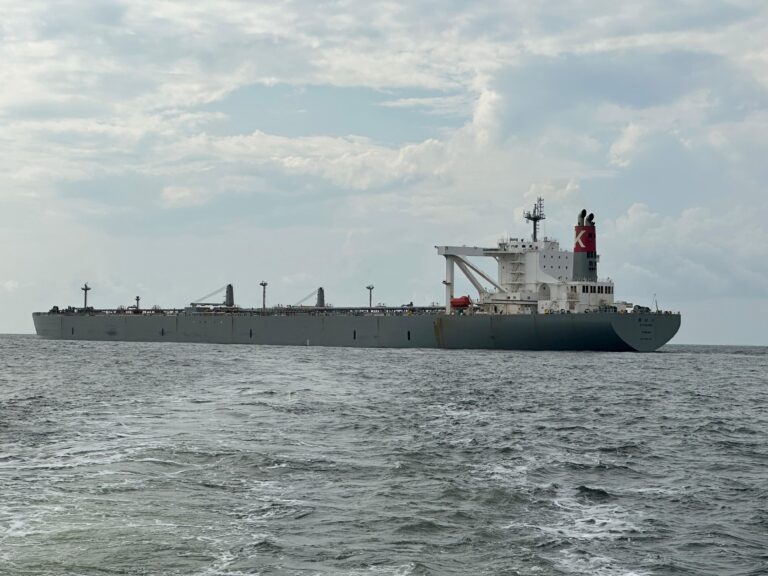
The simple answer is: it should not simply go overboard.
International shipping regulations provide rules for managing different types of ship generated waste, while ports provide reception facilities where vessels can deliver waste for appropriate handling.
Let’s take a look at what actually happens.
What Kind of Waste Does a Ship Generate?
A ship produces many different types of waste during normal operations.
Some are similar to the waste we produce at home. Others are specific to marine operations.
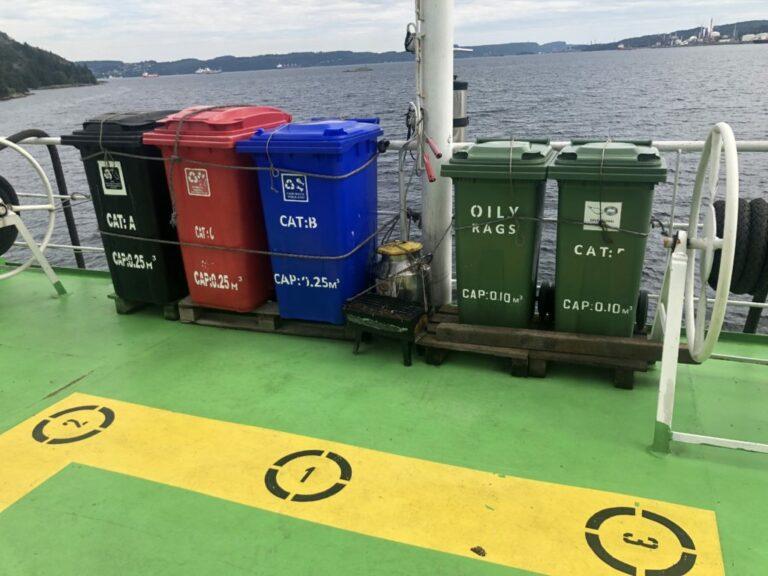
Common examples include:
🗑️ General garbage
Plastic packaging, paper, glass, metal and other domestic waste.
🍽️ Food waste
Food leftovers and waste produced during food preparation.
🛢️ Oily waste
Bilge water, sludge, waste oil, oily rags and other oil-contaminated materials.
🚽 Sewage
Wastewater generated from toilets and other sewage systems onboard.
⚙️ Maintenance waste
Used filters, paint materials, chemicals, batteries and other materials generated during maintenance work.
Under MARPOL Annex V, the term “garbage” covers various food, domestic and operational wastes, including plastics, cooking oil and certain cargo-related waste
That means waste management on a vessel is not simply about putting rubbish into a bin.
Different waste streams need to be identified, separated, stored and handled correctly.
Can Ships Just Throw Their Waste Into the Ocean?
This is probably one of the biggest misconceptions about ship waste.
MARPOL Annex V contains regulations for preventing pollution by garbage from ships. As a general rule, the discharge of garbage into the sea is prohibited, with specific exceptions and conditions depending on the type of waste. Plastics are prohibited from being discharged into the sea.
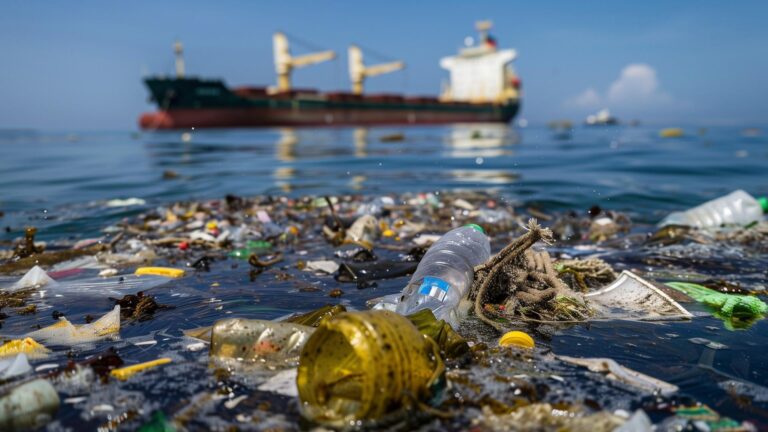
There are also areas known as MARPOL Special Areas, where stricter requirements apply because of their ecological or operational characteristics.
So when a ship produces waste during a voyage, the crew cannot simply treat the ocean as a giant rubbish bin.
The waste needs to be managed onboard and, where required, delivered to suitable facilities ashore.
Waste Management Starts Onboard
The waste disposal process actually begins long before the ship reaches port.
Crew members need to separate different types of waste and keep them in suitable containers or designated storage areas.
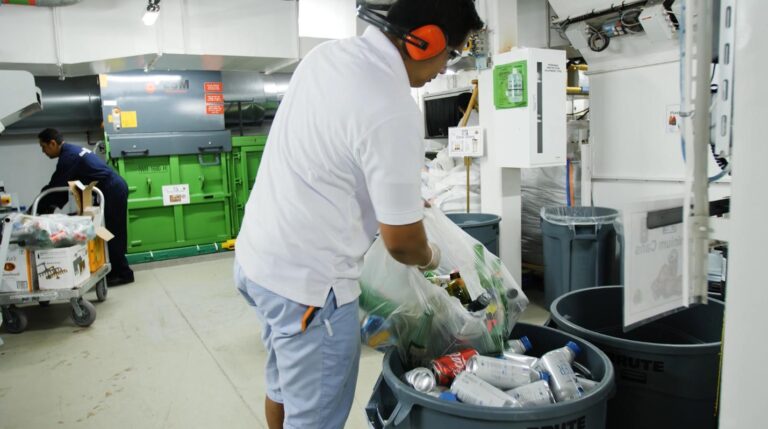
For example:
Plastic → Plastic waste
Food → Food waste
Oil → Oily waste
Batteries and chemicals → Hazardous waste
Why is this important?
Because once different waste streams are mixed together, it can become much harder to recycle, treat or dispose of them properly.
Think about it like sorting your recycling at home. Except a ship may be dealing with many more types of waste and much stricter operational requirements.
Ships subject to MARPOL Annex V requirements also use garbage management procedures and, where applicable, garbage management plans and record keeping.
What Happens to Oily Water From the Engine Room?
Now let’s look at one of the more technical types of ship waste.
Bilge water.
In simple terms, bilge water is water that collects in the lower parts of the ship, including machinery spaces. It can contain oil, fuel and other contaminants.
This is why many vessels are fitted with an Oily Water Separator (OWS).
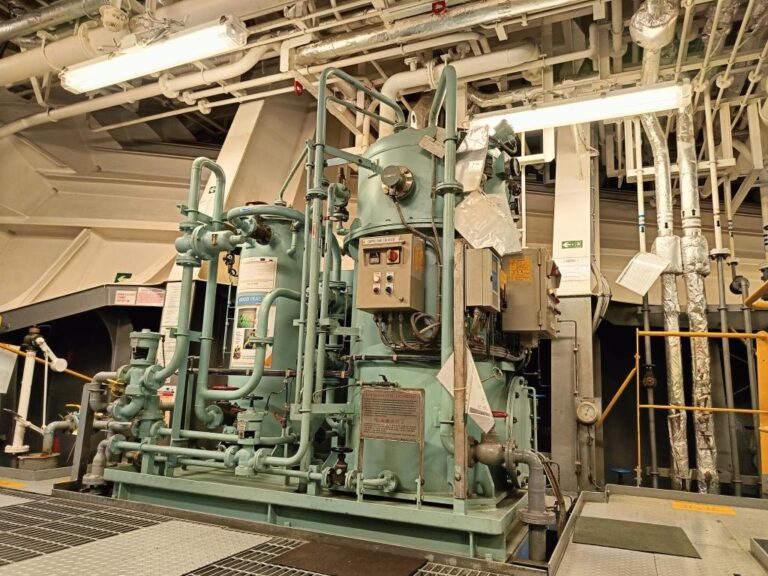
The system is designed to separate oil from water so that the resulting streams can be managed according to the applicable requirements.
The oil and oily residues are retained for appropriate handling, while treated water is managed under the relevant discharge requirements.
This is an important part of preventing oil from entering the marine environment.
A simple way to understand the process:
Bilge Water → Oily Water Separator → Oil Separation → Oily Residue → Storage / Shore Reception Treated Water → Managed According to Requirements
For a ship, proper maintenance of this equipment is not just an engineering matter. It is also part of responsible environmental management.
What Happens to Sewage on a Ship?
Yes, ships have toilets. And yes, all that wastewater needs to be managed too.
Sewage from a vessel can contain organic matter, bacteria and other contaminants. If discharged incorrectly, it can contribute to marine pollution and create health and environmental concerns.
MARPOL Annex IV establishes requirements for controlling sewage discharges from ships.
Depending on the vessel and its arrangements, sewage may be handled through an approved sewage treatment plant, an approved treatment/disinfection system or a holding tank.
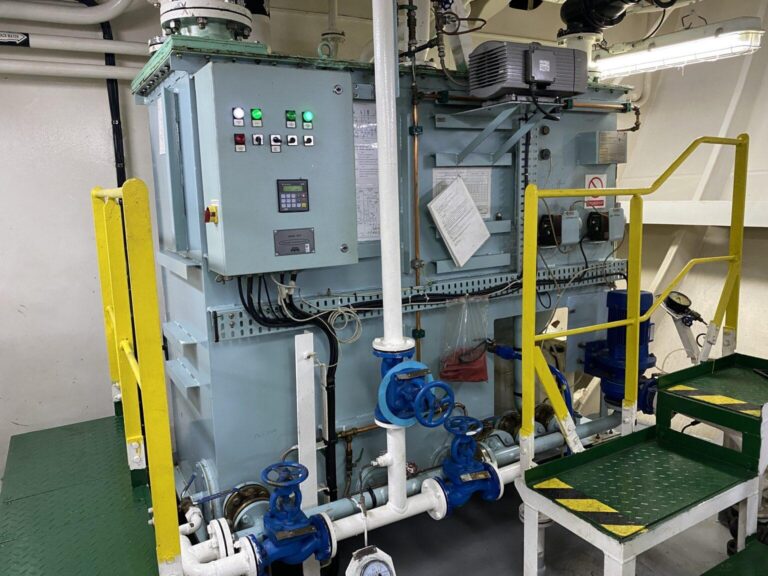
Toilet → Ocean.
Instead, the vessel has systems and procedures for collection, treatment, storage and controlled disposal.
What Happens When the Ship Reaches Port?
This is where the journey of ship waste moves from ship to shore.
When a vessel arrives at port, waste that has been retained onboard can be delivered to a Port Reception Facility (PRF) or an appropriate waste service provider.
Think of a Port Reception Facility as the bridge between the ship and the shore-based waste management system.
Instead of keeping certain waste onboard indefinitely or disposing of it improperly at sea, the vessel can transfer the waste to facilities designed to receive and handle it.
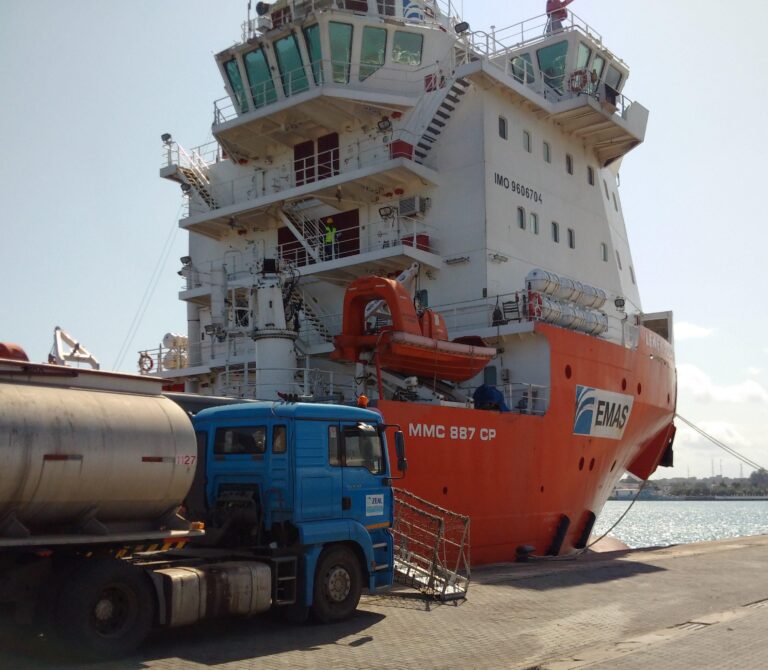
Depending on the port, reception facilities can deal with different waste streams, including garbage, oily waste, sewage and other ship generated waste.
IMO considers adequate port reception facilities an important part of making MARPOL requirements work effectively.
This is the point where the waste physically leaves the vessel and enters the shore based waste management process.
So, What Exactly Is a Port Reception Facility?
A Port Reception Facility is essentially a place where ships can deliver waste generated during normal operations.
But it is more than just a rubbish collection point.
A proper waste reception system may involve:
- Collection
- Temporary storage
- Waste segregation
- Treatment
- Recycling
- Recovery
- Final disposal
The exact facilities and services vary from port to port.
IMO has developed guidance and systems to help ports plan adequate reception facilities based on the types and quantities of waste generated by ships calling at the port
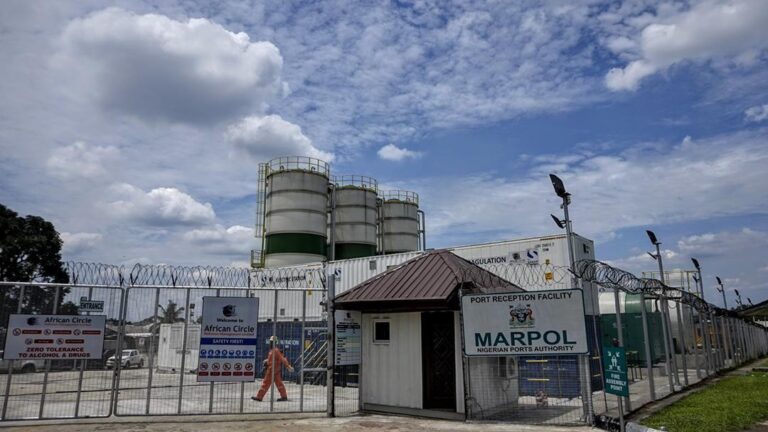
In other words, the ship is only one part of the waste management chain.
The port and waste management facilities on shore are equally important.
From Ship to Shore: The Complete Waste Journey
If we simplify everything we’ve discussed, the process looks something like this:
1. Waste Is Generated 🚢
The ship produces garbage, food waste, oily waste, sewage and maintenance waste during normal operations.
2. Waste Is Separated ♻️
The crew separates different types of waste.
3. Waste Is Stored or Treated🛢️
Some waste is stored onboard, while certain waste streams can be treated using onboard systems.
4. The Vessel Arrives at Port ⚓
The ship arranges for waste to be delivered ashore.
5. Waste Is Collected 🚛
A port reception facility or appropriate waste service provider receives the waste.
6. Waste Is Processed 🏭
Different waste streams go to appropriate treatment, recycling, recovery or disposal routes.
7. Environmental Impact Is Reduced 🌱
The aim is to prevent ship-generated waste from becoming marine pollution.